
Vegan Recipes
Crispy Korean Vegetable Pancakes (Yachaejeon) – The Easy, Healthy Meal You’ll Make Every Week
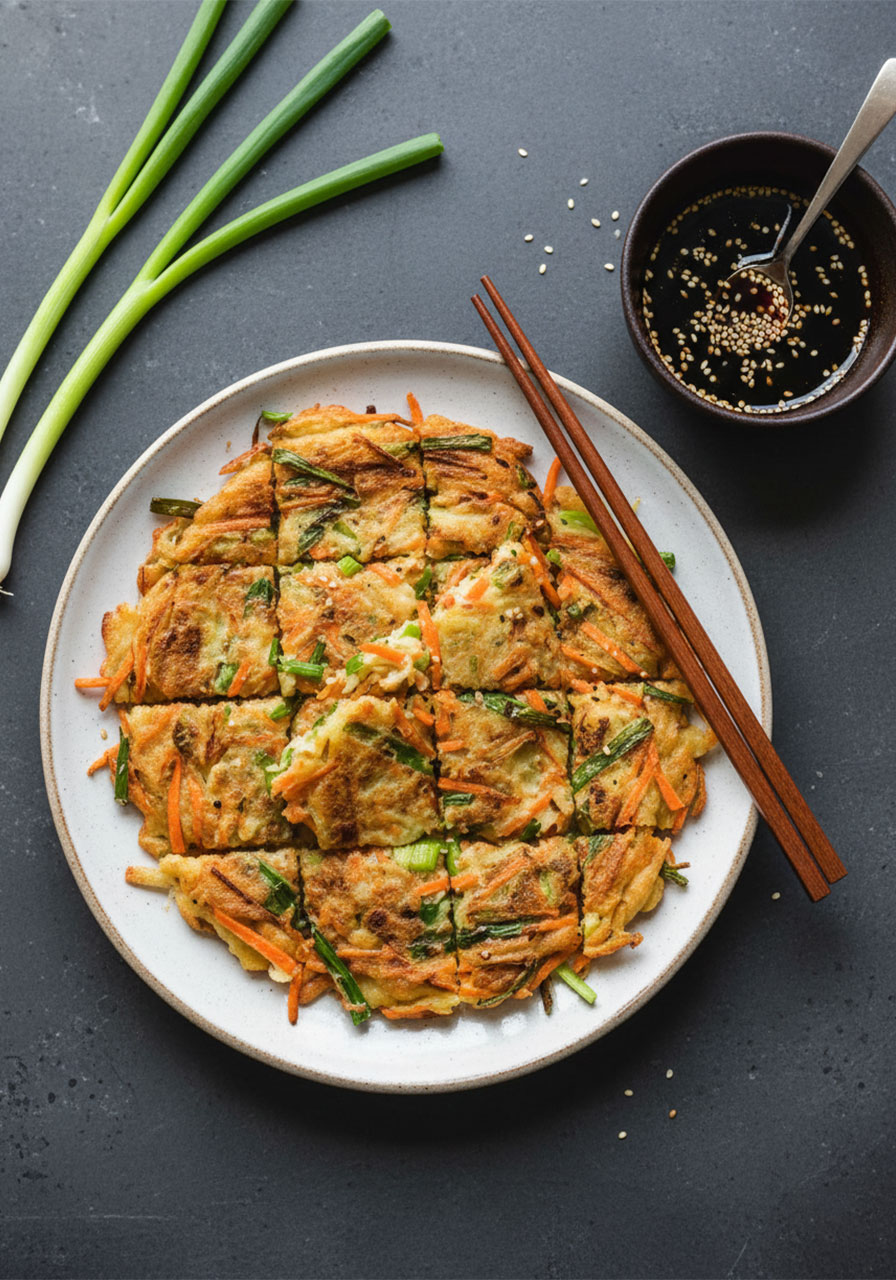
May
You know that feeling when it’s been a long week, your fridge is full of random veggies, and you just want something warm, crispy, and satisfying – without spending an hour in the kitchen?
That’s exactly where these Korean Vegetable Pancakes come in.
They’re golden. They’re crispy. They’re packed with colorful vegetables.
And honestly? Once you make them the first time, they’ll become one of your most-reached-for recipes.
There’s something deeply grounding about a simple, nourishing meal made with your own hands. Proverbs 31:27 reminds us that a woman who looks after the needs of her household – who prepares good things with intention – is worthy of praise. Feeding yourself and your family well is one of the most loving, practical acts of daily life.
These pancakes are one of those recipes that makes that so easy to do.
What You’ll Learn in This Post
- What Yachaejeon is and why it’s worth adding to your regular rotation
- What vegetables work best (and what to use up from your fridge)
- Step-by-step instructions for getting that golden, crispy exterior
- How to make the savory dipping sauce
- Tips for storing and reheating so they stay crispy
- Gluten-free and flour substitution options
What Is Yachaejeon?
Yachaejeon (야채전) is a traditional Korean savory pancake made with vegetables.
In Korean, yachae means “vegetable” and jeon means “pancake.” So put them together and you get exactly what this dish is – a simple, delicious vegetable pancake.
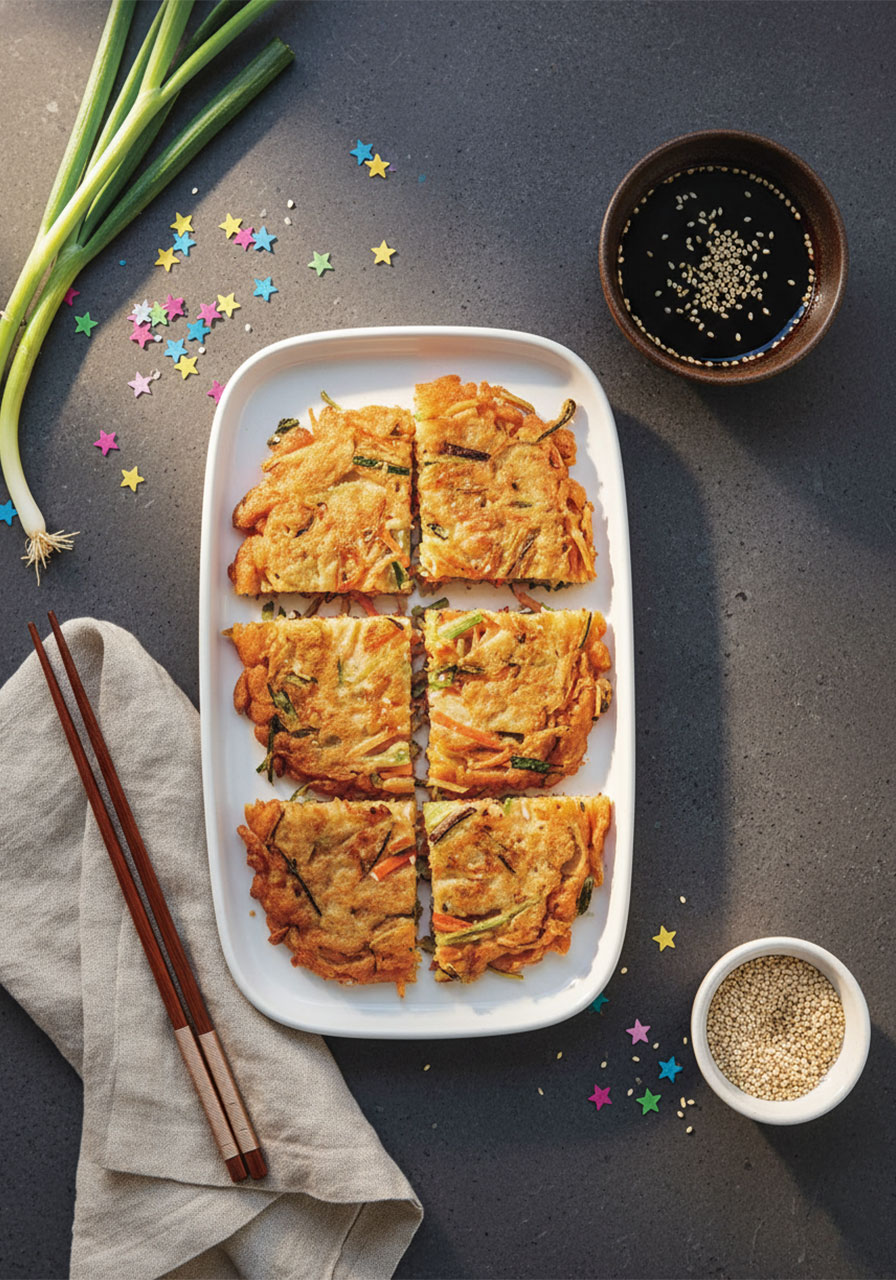
Think of it as a crispy fritter loaded with shredded and sliced vegetables, all held together with a light savory batter. It’s pan-fried until golden brown on both sides and served with a simple soy-sesame dipping sauce.
It’s not fancy. It doesn’t need to be.
It just needs to be good – and it is.
Why You’ll Love This Recipe
Beyond the taste, here’s why this recipe fits so beautifully into a healthy, intentional lifestyle:
It’s flexible. Use whatever vegetables you have on hand. This is a great way to use up produce before it goes bad – reducing waste, saving money, being a good steward of what you have.
It’s nourishing. Each pancake is loaded with fiber-rich vegetables like zucchini, sweet potato, and carrots. Your body will thank you.
It’s surprisingly quick. From start to finish, you’re looking at about 40 minutes.
It’s a crowd-pleaser. Whether you’re cooking for yourself, your family, or a group of friends, these pancakes disappear fast. Hundreds of readers have made this recipe and loved it – even the meat-eaters.
It stores well. Make a big batch and reheat throughout the week. Meal prep win.
The Vegetables You’ll Need (And What You Can Swap In)
This recipe is beautifully forgiving when it comes to vegetables. Here’s what the classic version uses:
- Zucchini – sliced into thin matchsticks
- Sweet potato – matchstick cut or shredded (orange sweet potato works great)
- Carrot – matchstick or shredded
- Onion – thinly sliced
- Scallions / green onions – roughly chopped, about 2 cups
- Long green chili or jalapeño – optional, if you want a little heat
You’ll want around 5–6 cups of total vegetables. That’s the sweet spot for getting the right batter-to-veggie ratio.
Other great additions:
- Cabbage (thinly shredded – so good and adds extra crunch)
- Bell pepper
- Mushrooms
- Spinach
- Broccoli
- Corn
- Purple cabbage (adds beautiful color)
One tip: some vegetables release a lot of moisture as they sit in the batter. If your batter starts to look watery, just add 1–3 tablespoons of flour and stir it back to a thick consistency before cooking.
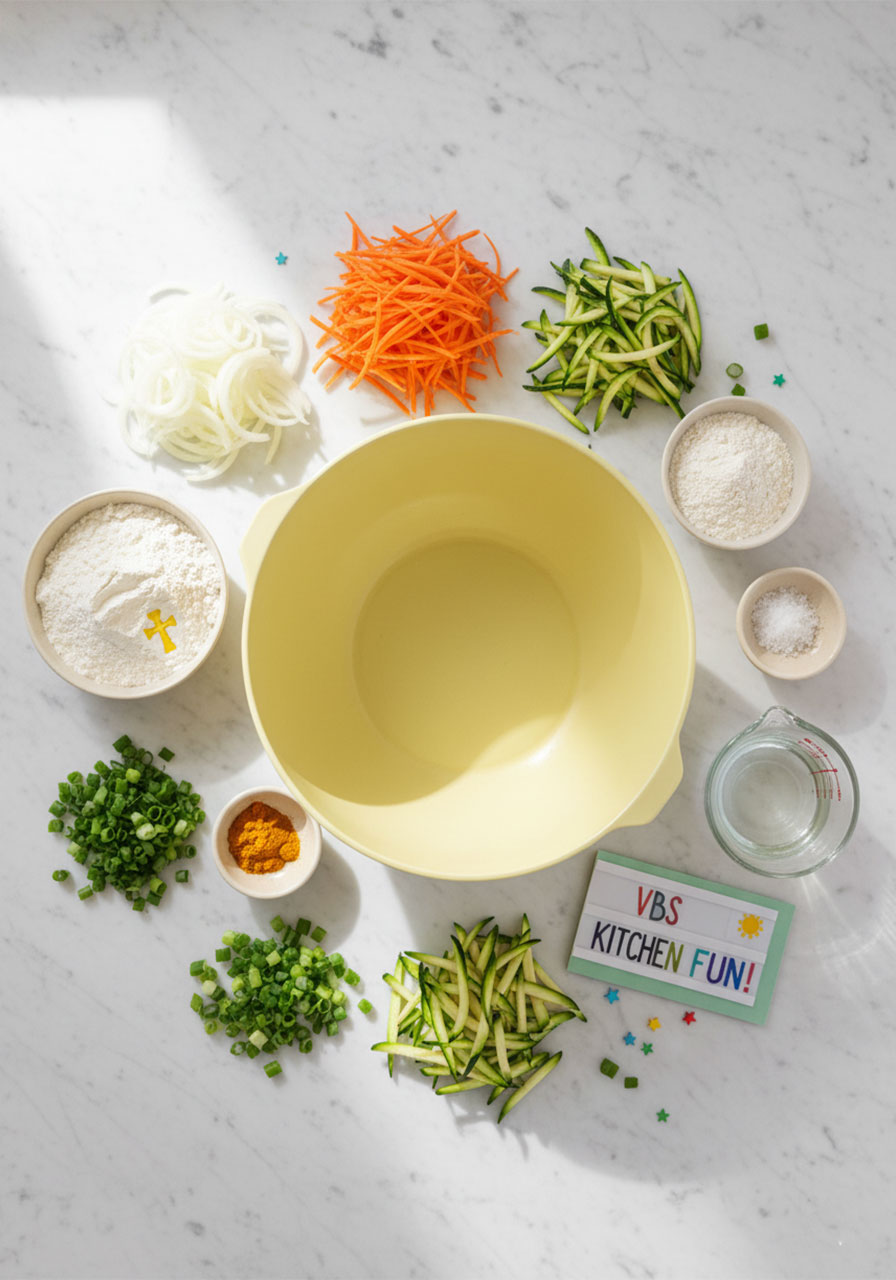
The Batter: Simple Pantry Ingredients
The batter is simple and comes together in minutes. Here’s what you need:
Dry Ingredients:
- 1½ cups all-purpose flour
- 2 tsp baking powder
- 4 tbsp cornstarch or potato starch
- 1½ tsp salt (or black salt for a subtle eggy flavor)
- ½ tsp turmeric powder – optional, but gives a beautiful golden color
Wet Ingredients:
- 1½ cups room temperature water, plus 2–4 extra tablespoons to adjust consistency
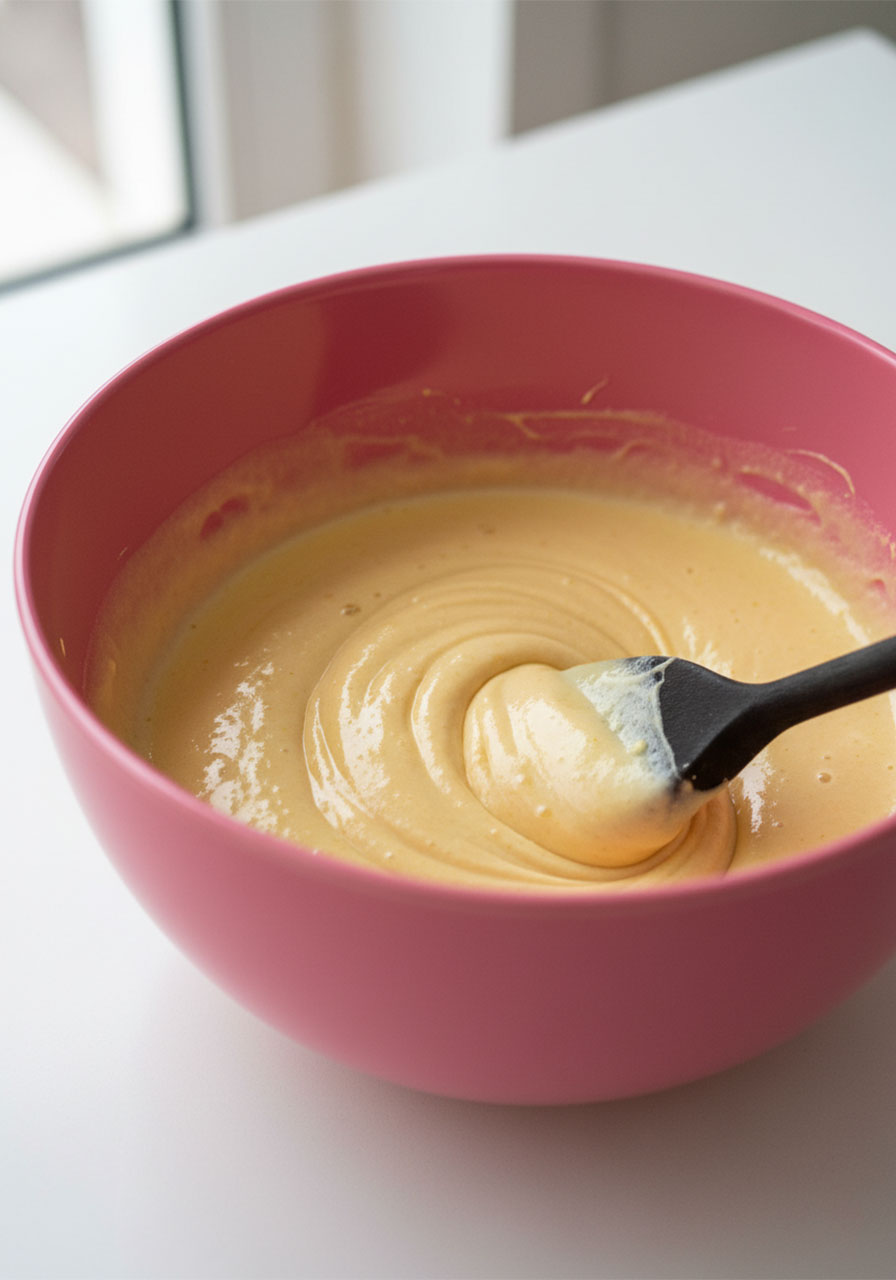
That’s it. Whisk everything together until you have a thick batter – thick enough to coat and cling to the vegetables. If it’s too runny, the pancakes won’t hold together well when you flip them.
Gluten-Free Options:
Several readers have had great success with gluten-free flour blends (like Bob’s Red Mill 1-to-1), chickpea flour, or even brown rice flour. The texture will be slightly different, but the results are still delicious. You may need to adjust the water slightly depending on which flour you use.
How to Make Korean Vegetable Pancakes: Step by Step
Step 1: Mix the dry batter
In a large bowl, combine all the dry ingredients and whisk together. Slowly pour in the water while stirring until you get a smooth, thick batter. Add the extra 2–4 tablespoons of water if needed – the batter should be thick but not stiff.
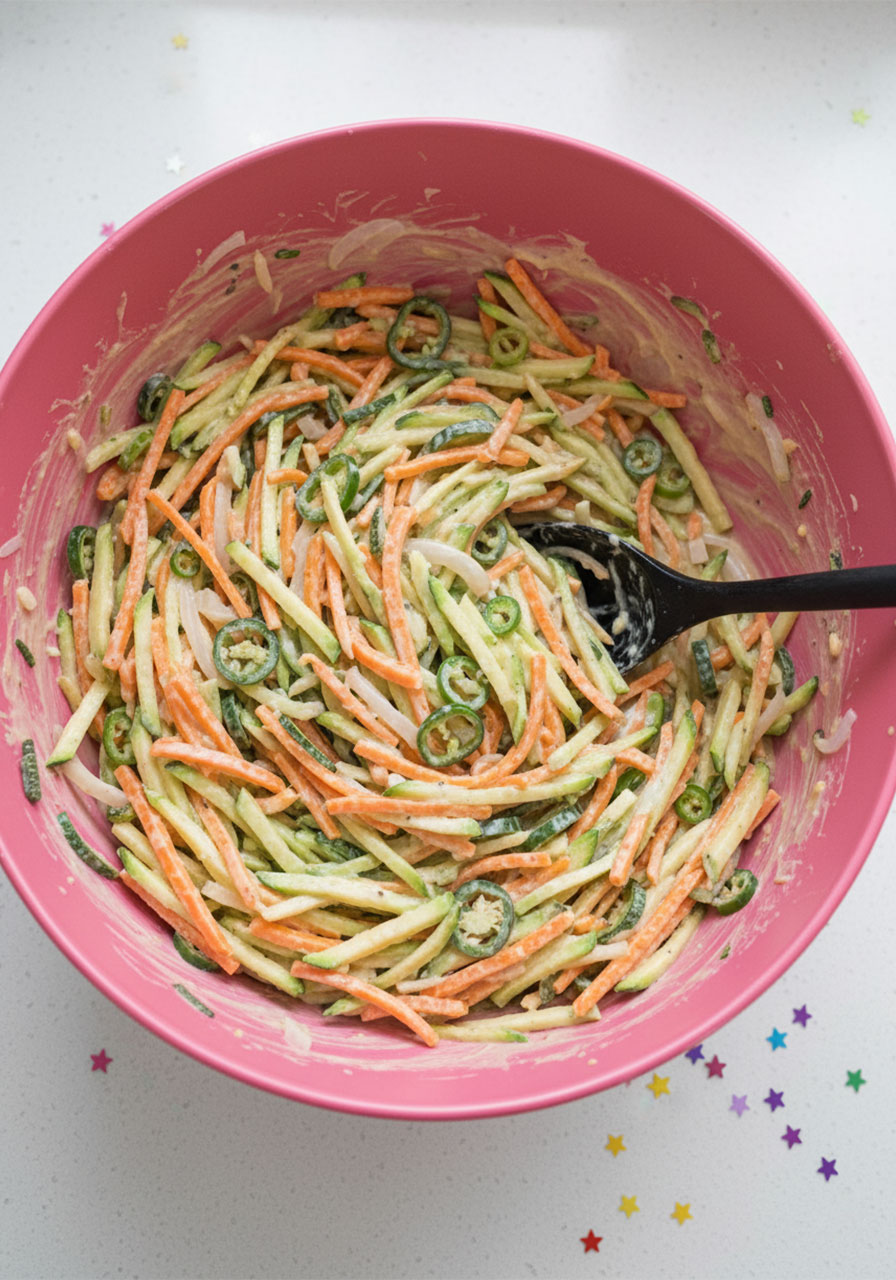
Step 2: Add the vegetables
Add all your sliced and shredded vegetables to the batter. Toss everything together until the vegetables are evenly coated. It’ll look like a lot of vegetables – and that’s perfect. The batter holds it all together once it hits the pan.
Step 3: Preheat your pan well
This is one of the most important steps. Use a good non-stick pan and preheat it over medium-high heat before adding any oil. A properly preheated pan is what gives you that crispy golden exterior.
Once hot, add enough neutral oil to coat the surface.
Step 4: Cook the first side
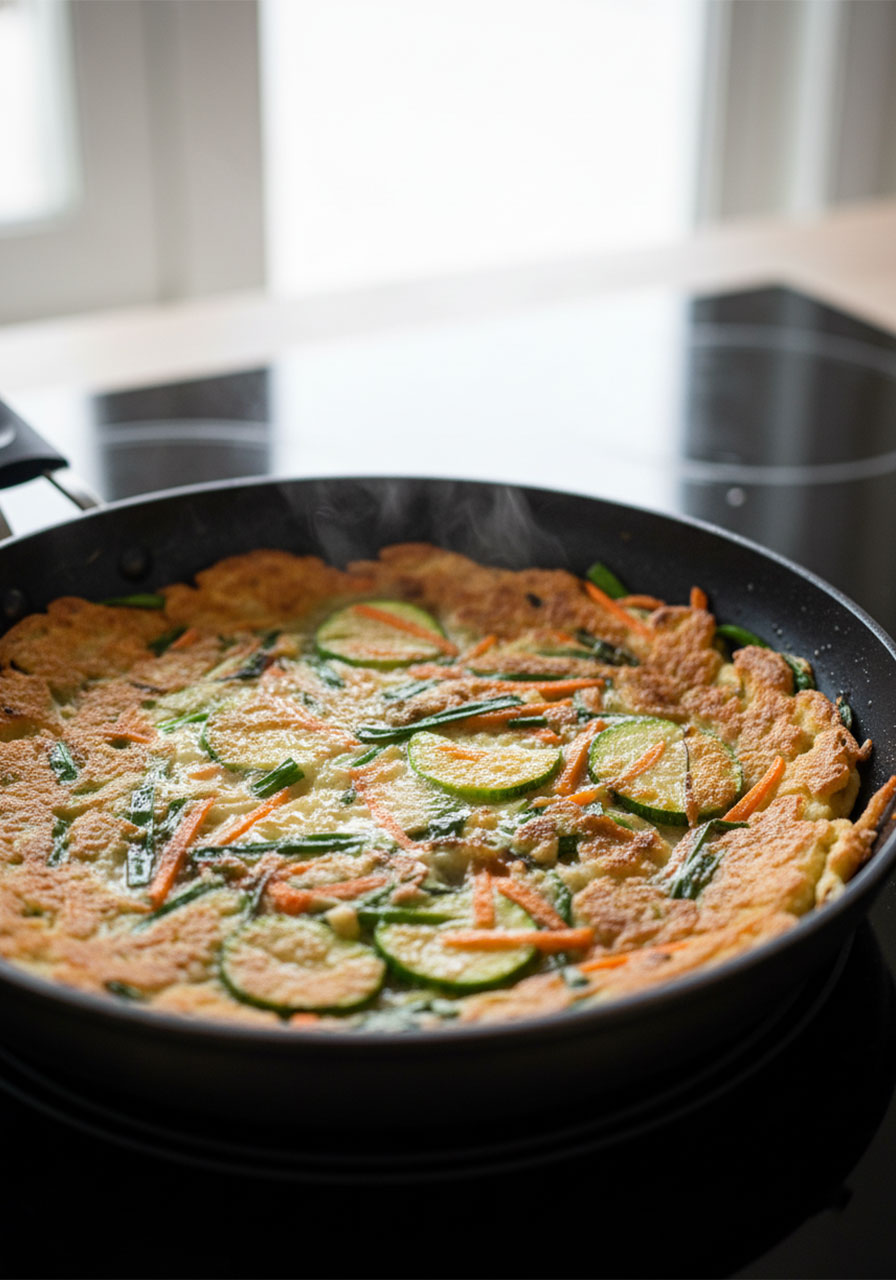
Scoop a generous amount of the batter mix into the pan. Use the back of a spoon to spread it out as thin as possible – thin enough to cover the pan without holes, but not so thick it becomes doughy in the middle.
Cook over medium heat for 4–5 minutes. You’ll see the edges and top of the batter start to dry out – that’s your sign it’s ready to flip.
If you’re worried about the sweet potato or carrot cooking through, you can cover the pan with a lid for the first few minutes. Just remove the lid afterward and let any steam evaporate before flipping.
Step 5: Flip and cook the second side
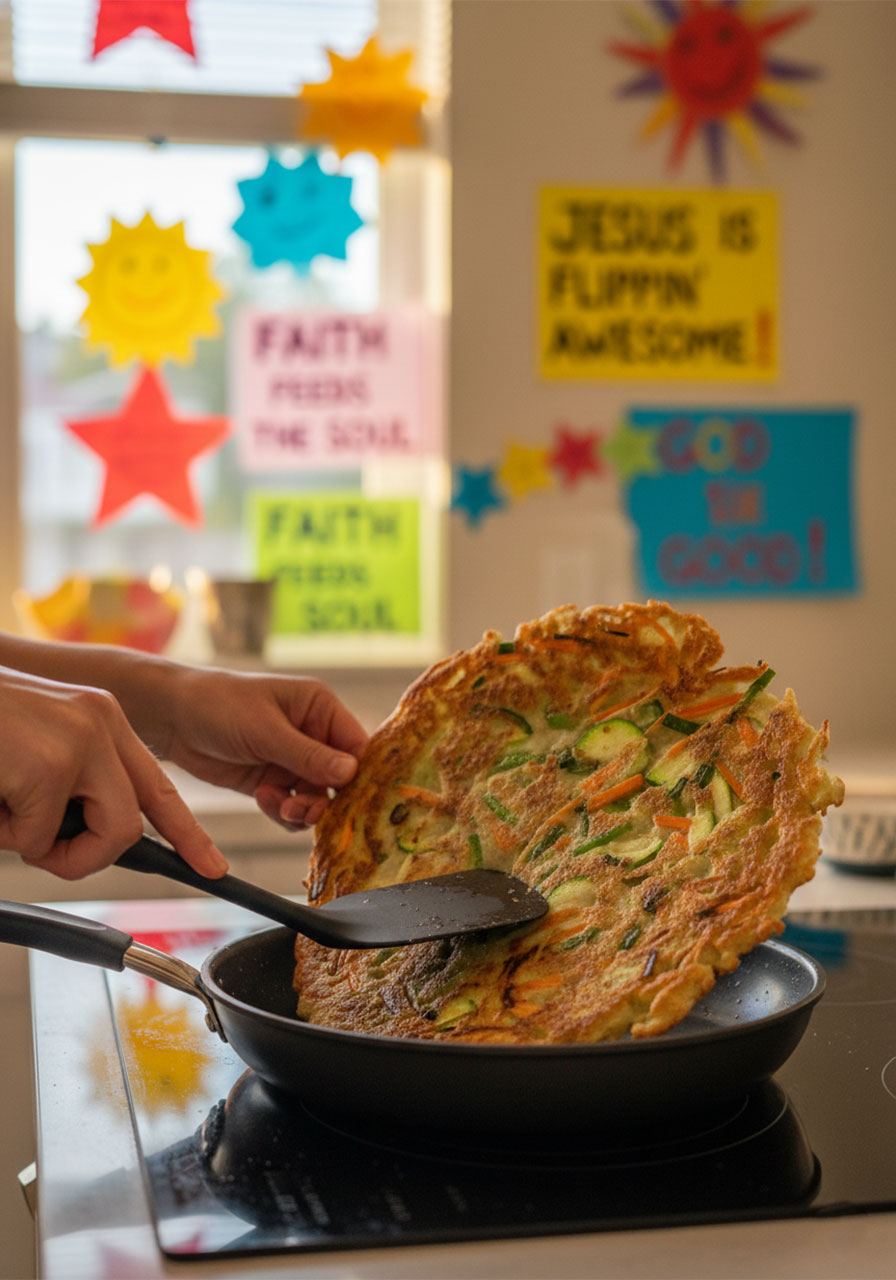
Once the bottom is a light golden brown, carefully slide a spatula underneath and flip in one confident motion. Cook the second side until golden and crisp.
For extra crispiness – and this is the secret – lower the heat and continue cooking each side for an additional 3–4 minutes. This allows excess moisture from the vegetables to evaporate, and you end up with deeply golden, truly crispy pancakes instead of soft, doughy ones.
Step 6: Repeat and serve
Repeat with the remaining batter. This recipe makes about 4 eight-inch pancakes.
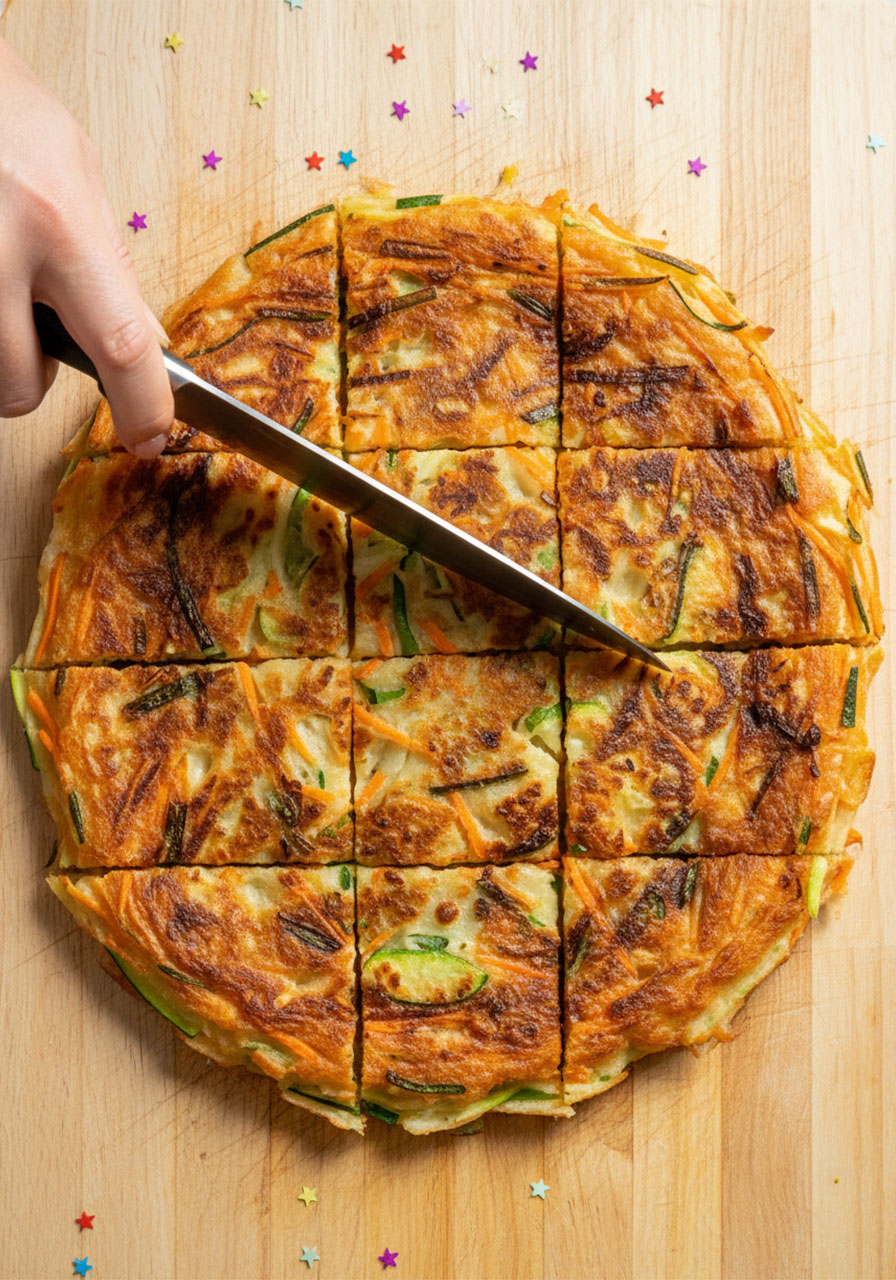
Slice each pancake into squares or bite-sized pieces (kitchen scissors work great for this!) and serve hot with the dipping sauce.
The Dipping Sauce (Don’t Skip This)
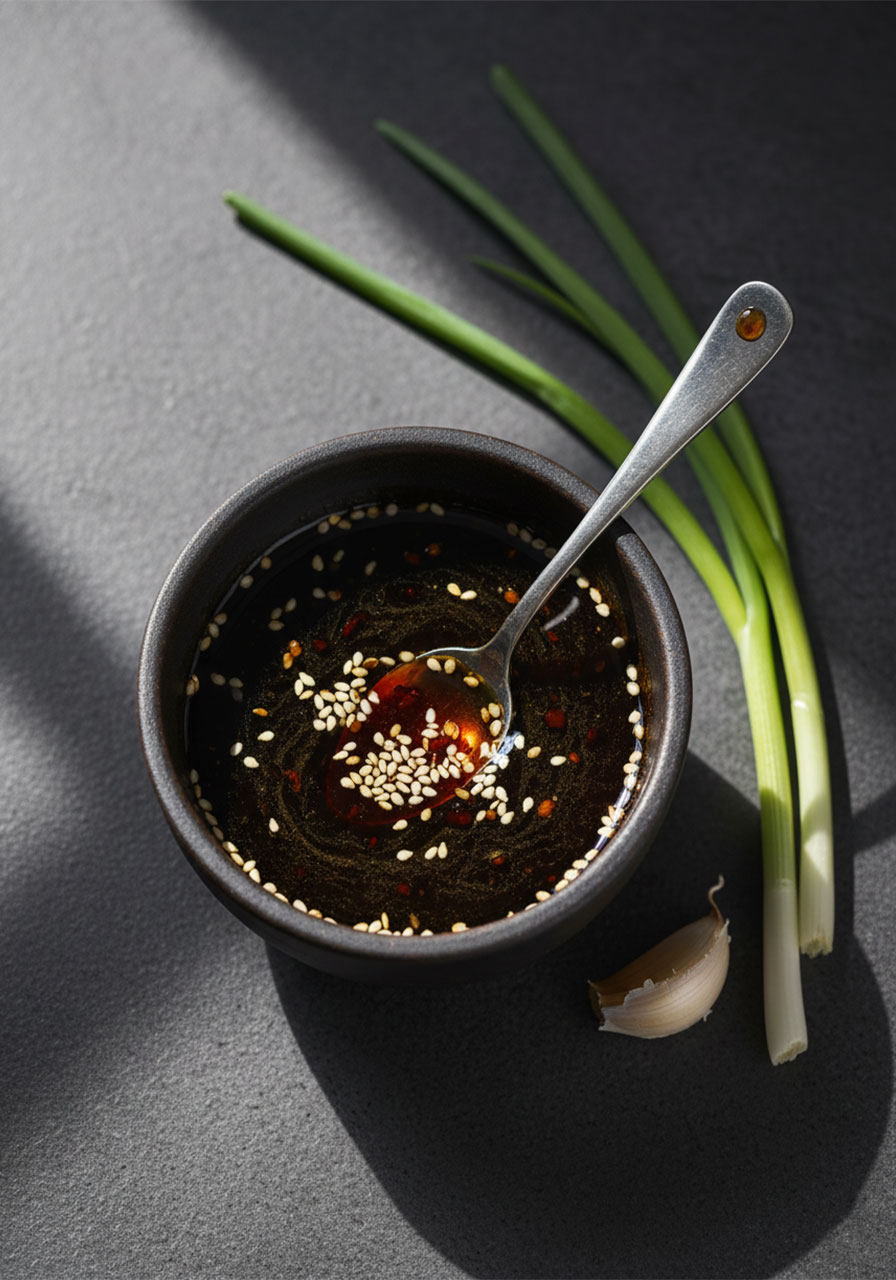
The dipping sauce is simple, savory, and absolutely essential. It takes about 2 minutes to make and completely elevates the pancakes.
Mix together:
- 1 tbsp soy sauce
- 1 tbsp water
- 1 tbsp rice vinegar (or white vinegar)
- 1 tsp sugar (adjust to taste)
- 1 tsp sesame oil
- ½ tsp sesame seeds
- Pinch of gochugaru or chili flakes – optional for heat
Stir everything together. Make this before you start cooking the pancakes so it’s ready to go when you serve.
You can also add a little grated garlic or green onion to the sauce if you want extra depth of flavor. Several readers have swapped in coconut aminos, maple syrup, and lime juice for a slightly different variation – all delicious.
Tips for Getting the Crispiest Pancakes
Crispiness is everything with Yachaejeon. Here are the key tips:
1. Get the batter thin. The thinner you spread the batter, the crispier both sides will be. If it’s too thick, the inside stays doughy and soft.
2. Preheat your pan properly. A hot pan means an immediate sear on the batter, which creates that golden crust. Don’t rush this step.
3. Don’t flip too early. Wait until the edges and surface look dry before flipping. If you flip too soon, the pancake can fall apart.
4. Go low and slow for the finish. After both sides are golden, drop the heat to medium-low and continue cooking. This is what drives out the extra moisture and gives you that deep golden-brown crunch.
5. Salt your veggies first (optional but effective). If you sprinkle a little salt on the vegetables and let them sit for 10 minutes before mixing into the batter, they’ll release excess moisture upfront. Squeeze it out, then mix them in. This helps the pancakes stay crispier longer. (If you do this, skip the salt in the batter – they’ll already be seasoned.)
6. Serve immediately. Like most pan-fried foods, these are at their absolute best right off the pan. They do soften as they cool, especially as moisture from the vegetables continues to release.
How to Store and Reheat
One of the best things about this recipe is how well it keeps and reheats.
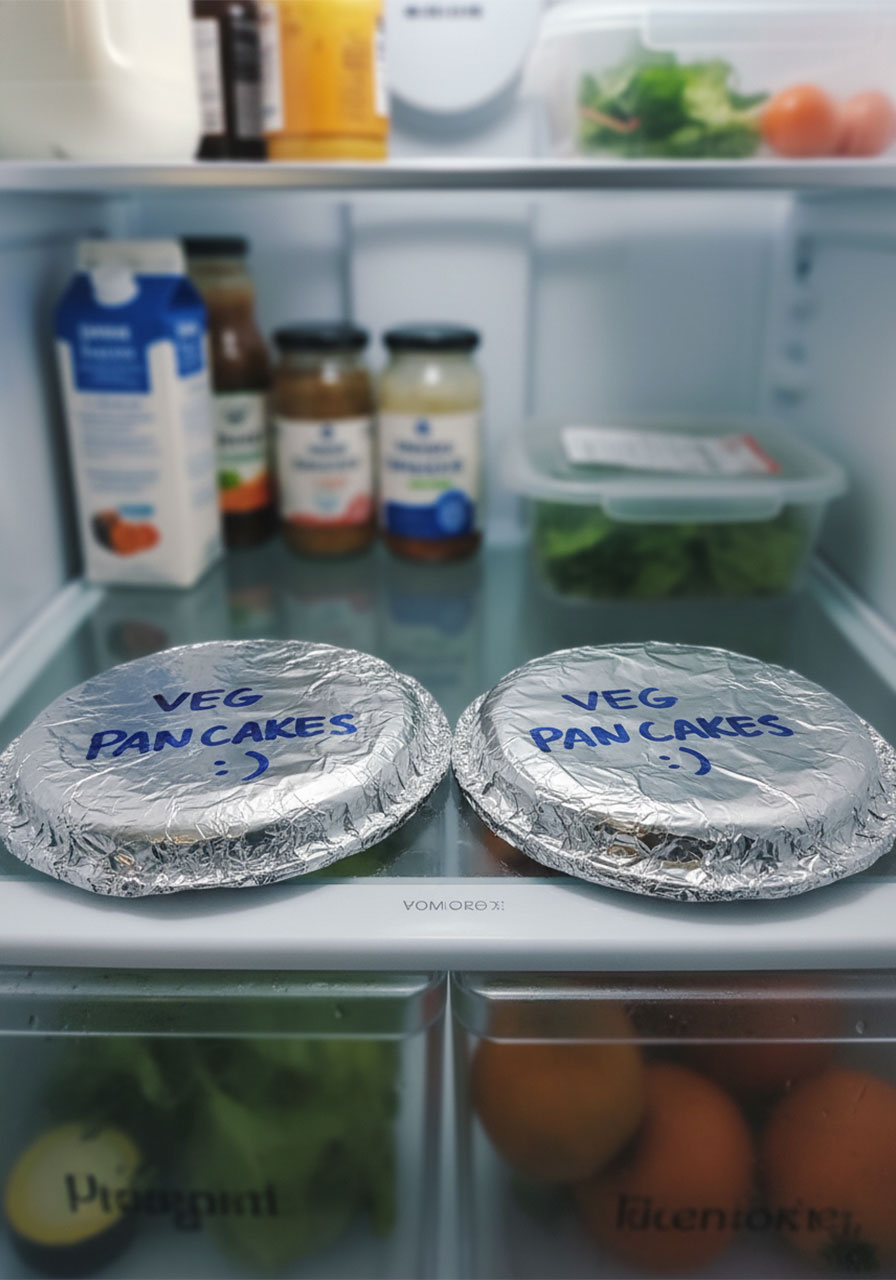
Refrigerator: Store cooked pancakes in an airtight container or wrapped in foil for up to 1 week. Keep them whole for easier flipping when reheating.
To reheat: Pan-fry over medium-high heat with a little oil for 2–3 minutes per side until crispy again. An air fryer at 400°F for about 5 minutes also works beautifully – arguably even better. The pancakes come out hot and crispy with minimal effort.
Freezer: You can freeze these, though they do get a little softer from the extra moisture. Reheat from frozen directly in a pan or air fryer – no need to thaw.
Meal prep tip: Make a big batch at the start of the week and store in the fridge. Reheat portions as needed throughout the week for quick lunches or easy dinners.
Faith Note: Nourishing the Body Is an Act of Stewardship
We sometimes think of self-care as a luxury – something we’ll get around to eventually, when life slows down.
But Scripture reminds us differently.
“Do you not know that your bodies are temples of the Holy Spirit, who is in you, whom you have received from God? You are not your own; you were bought at a price. Therefore honor God with your bodies.” – 1 Corinthians 6:19–20
Eating well isn’t vanity. It’s stewardship.
When you take the time to prepare a colorful, vegetable-packed meal for yourself and the people you love, you’re honoring the body God gave you. You’re being intentional with what you have. You’re nourishing yourself so you can keep showing up – for your family, your work, your faith, your calling.
Even a simple meal like these vegetable pancakes, made with care, becomes a small act of gratitude.
Frequently Asked Questions
Can I make these gluten-free?
Yes! Many readers have had success using gluten-free all-purpose flour blends (like Bob’s Red Mill 1-to-1), chickpea flour, or brown rice flour. The texture changes slightly with each flour, but the results are still very tasty. Chickpea flour tends to be the most popular GF swap.
Do I need to cook the sweet potato beforehand?
No – add it raw. It cooks through nicely in the pan, especially if you spread the batter thin and/or use a lid for the first few minutes to steam it through.
Why are my pancakes not crispy?
A few possible reasons: the batter may be too thick, the pan wasn’t hot enough before adding the oil, or the pancakes needed more time over low heat to drive out the moisture. Also, pancakes will naturally soften as they cool – serve them right away for best crunch.
Can I make the batter ahead of time?
It’s better to cook the pancakes immediately after mixing. If the batter sits, the vegetables will release moisture and thin it out. If you must prep ahead, cook all the pancakes and refrigerate them – then reheat when ready to eat.
What can I serve with Yachaejeon?
These pancakes are wonderful as a standalone snack or appetizer with the dipping sauce. For a fuller meal, serve them alongside a simple soup, steamed rice, or a light salad. They also pair beautifully with vegan kimchi.
Can I add protein to these pancakes?
Absolutely. Some readers add shredded firm tofu directly to the batter for added protein. It blends right in and cooks up wonderfully.
How do I keep them from sticking?
Use a good non-stick pan, make sure it’s fully preheated before adding oil, and use enough oil to coat the surface. Don’t try to flip the pancake before the base has had time to set and crisp – patience is key.
Can I bake these instead of frying?
Pan-frying is highly recommended for the best texture. If you want to try baking, a cast iron skillet in a hot oven (425°F) would be your best bet. The results won’t be as crispy as pan-frying, but still tasty.
Quick Recap: Your Yachaejeon Checklist
Slice vegetables into thin matchsticks or shreds – aim for 5–6 cups total
Whisk dry batter ingredients, then add water to form a thick batter
Mix vegetables into batter until fully coated
Mix dipping sauce and set aside
Preheat non-stick pan well before adding oil
Spread batter thin – as thin as possible while still covering the pan
Cook 4–5 minutes per side over medium heat until golden
Finish over low heat for extra crispiness
Slice and serve hot with dipping sauce
A Closing Thought
There is something quietly beautiful about a meal made simply, with what you have, for the people you love.
These Korean vegetable pancakes are proof that nourishing food doesn’t have to be complicated. It just has to be made with a little intention.
So the next time you open the fridge and find a mix of half-used vegetables, remember this recipe. Pull out your pan, put on some music, and make something golden and good.
You deserve a meal that fills you up – body and soul.
“She gets up while it is still night; she provides food for her family and portions for her female servants.” – Proverbs 31:15
Explore more healthy recipes and faith-filled living tips on the Christian Faith Goods blog.
Korean Vegetable Pancakes (Yachaejeon 야채전)
Ingredients
Dry Batter:
- 1½ cups all-purpose flour (see notes for substitutions)
- 2 tsp baking powder
- 4 tbsp cornstarch or potato starch
- 1½ tsp salt (or black salt for an eggy flavor)
- ½ tsp turmeric powder (optional, for golden color)
Wet Batter:
- 1½ cups room temperature water, plus 2–4 tbsp more as needed
Vegetables (aim for 5–6 cups total):
- 1 medium zucchini, cut into thin matchsticks
- 1 small sweet potato, cut into matchsticks or shredded
- 1 medium carrot, cut into matchsticks or shredded
- ½ medium onion, thinly sliced
- 1 bunch scallions / green onions (about 2 cups), chopped
- 1 long green chili or jalapeño, sliced thin (optional)
- Any other vegetables of choice (cabbage, bell pepper, mushrooms, etc.)
For Cooking:
- Neutral oil (vegetable oil or similar) – enough to coat the pan
Dipping Sauce:
- 1 tbsp soy sauce
- 1 tbsp water
- 1 tbsp rice vinegar (or white vinegar)
- 1 tsp sugar, adjusted to taste
- 1 tsp sesame oil
- ½ tsp sesame seeds
- Pinch of gochugaru or chili flakes (optional)
Instructions
- Make the dipping sauce: Combine all dipping sauce ingredients in a small bowl and stir well. Set aside. Make this first so it's ready when the pancakes are done.
- Mix the batter: In a large mixing bowl, whisk together all dry batter ingredients. Slowly pour in the water while stirring until you reach a smooth, thick batter. If the batter is too thick, add 2–4 tablespoons more water. The batter should be thick enough to coat and cling to the vegetables without being runny.
- Add the vegetables: Add all the vegetables to the batter and stir until everything is evenly coated. If the batter loosens as the vegetables release moisture, stir in 1–2 extra tablespoons of flour to thicken it back up.
- Heat the pan: Heat a medium to large non-stick pan over medium-high heat. This is important – preheat the pan before adding oil. Once the pan is hot, add enough oil to coat the entire surface.
- Cook the pancakes:Scoop a generous amount of the vegetable-batter mixture into the pan. Use the back of a spoon to spread it out as thin as possible while still covering the pan surface. Fill any holes with extra batter.Cook for 4–5 minutes over medium heat until the edges and top of the batter begin to dry out. You can cover the pan with a lid for the first few minutes if your pancake is thick, to help the vegetables cook through. Remove the lid to allow steam to escape before flipping.Once the surface looks dry and the bottom is golden, carefully flip the pancake with a spatula. Cook the second side for another 4–5 minutes until golden and crisp.For extra crispiness: reduce heat to medium-low and continue cooking for an additional 3–4 minutes per side. This helps drive out remaining moisture for a deeply golden, crispy result.
- Slice and serve:Transfer the pancake to a cutting board. Slice into squares or bite-sized pieces – kitchen scissors work great for this. Serve immediately with the dipping sauce.Repeat with remaining batter.
Notes
STORAGE AND REHEATING
Refrigerator: Store cooked pancakes in an airtight container or wrapped in foil for up to 1 week. Keep whole for easier flipping when reheating. To reheat: Pan-fry in a lightly oiled pan over medium-high heat for 2–3 minutes per side until crispy. Air fryer at 400°F for 5 minutes also works excellently. Freezer: Freeze cooked pancakes for up to 1 month. Reheat from frozen directly in a pan or air fryer – no need to thaw first. Note: they may be slightly softer after freezing due to moisture from the vegetables.NOTES & TIPS
Vegetables: Use any vegetables you have. Great options include cabbage, bell pepper, mushrooms, spinach, broccoli, corn, and potatoes. Total vegetable amount should be around 5–6 cups. Add sweet potato and carrot raw – they cook down well in the pan. Crispy tips: Spread batter as thin as possible. Use a properly preheated non-stick pan. Finish cooking over low heat to remove excess moisture. Salt vegetables beforehand and squeeze out liquid for extra crispiness (skip salt in batter if doing this). Flour substitutions: Gluten-free all-purpose blend, chickpea flour, or brown rice flour all work. Texture will vary slightly. Add extra baking powder if using a dense flour. Adjust water as needed – batter should be thick, not runny. Batter sitting too long: Vegetables will release moisture over time, thinning the batter. Add 1–2 tablespoons of flour and stir before cooking each batch if this happens. Dipping sauce swaps: Coconut aminos instead of soy sauce, maple syrup instead of sugar, lime juice instead of vinegar. All work well.NUTRITION (per pancake, approximate)
Calories: 375 | Carbohydrates: 55g | Protein: 6g | Fat: 15g | Fiber: 4g | Sugar: 4g | Sodium: 1119mg | Vitamin A: 7257 IU | Calcium: 151mg | Iron: 3mg Nutrition information is approximate and will vary depending on the specific vegetables and oil used. This post is for educational and informational purposes and is not intended as medical or nutritional advice.